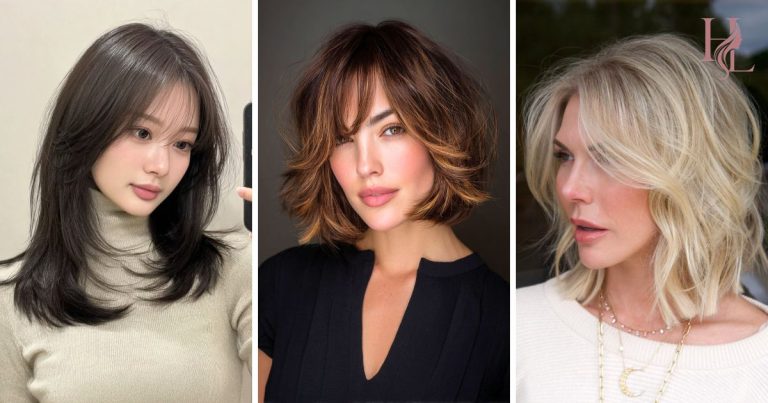
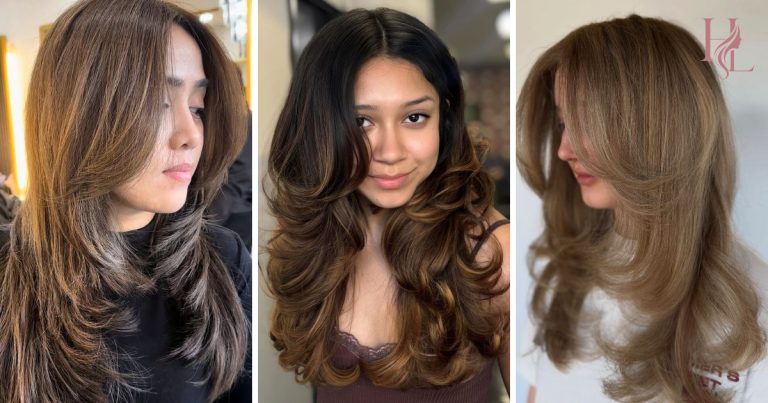
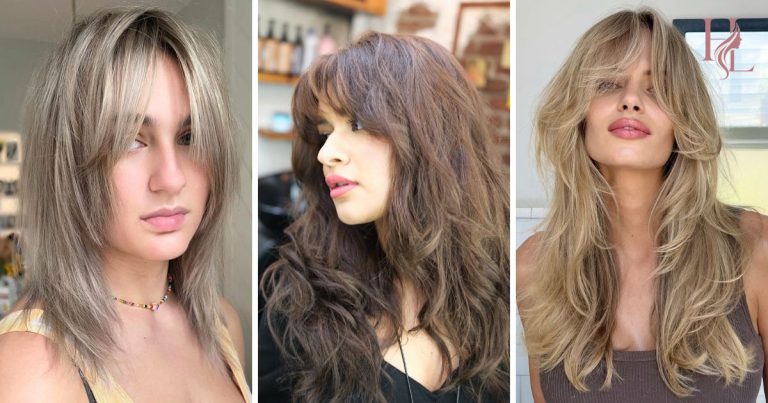
25 Medium Long Layered Haircuts for a Fresh, Flattering Look

Medium-long hair gives you the best of both worlds. You keep enough length for ponytails, braids, and soft waves, but your hair still feels light and easy to manage. Add layers, and the result gains movement, shape, and natural volume.
But choosing the right layers can feel confusing. Should you try a butterfly cut, rounded layers, curtain bangs, or a modern shag? The answer depends on your hair texture, daily routine, and preferred style.
The best medium-long layered haircuts work with your natural hair instead of fighting it. Soft layers can make thick hair feel lighter. Hidden layers can give fine hair more body. Face-framing pieces can refresh your entire look without removing much length.
Below, you will find 25 inspiring options for straight, wavy, fine, and thick hair. Some styles look polished after a blowout. Others fall into place with very little effort. Use this guide to find a cut that feels like you.
25 Medium Long Layered Haircuts to Save
Table of Contents
1. Soft Medium-Long Layers

Soft layers offer an easy introduction to layered hair. The stylist keeps each section long and blends the ends carefully. You get movement without an obvious staircase effect.
This cut works especially well when you want to protect your length. The shortest layers can begin below the chin, while the remaining sections flow toward the shoulders and chest.
Style the cut with a large round brush for a smooth finish. You can also air-dry it with a lightweight styling cream. The layers will create gentle movement around the ends.
Best for: Straight, slightly wavy, medium-density, or thick hair.
Ask for: Long, blended layers with soft ends and no harsh lines.
2. Long Layers With Face-Framing Pieces
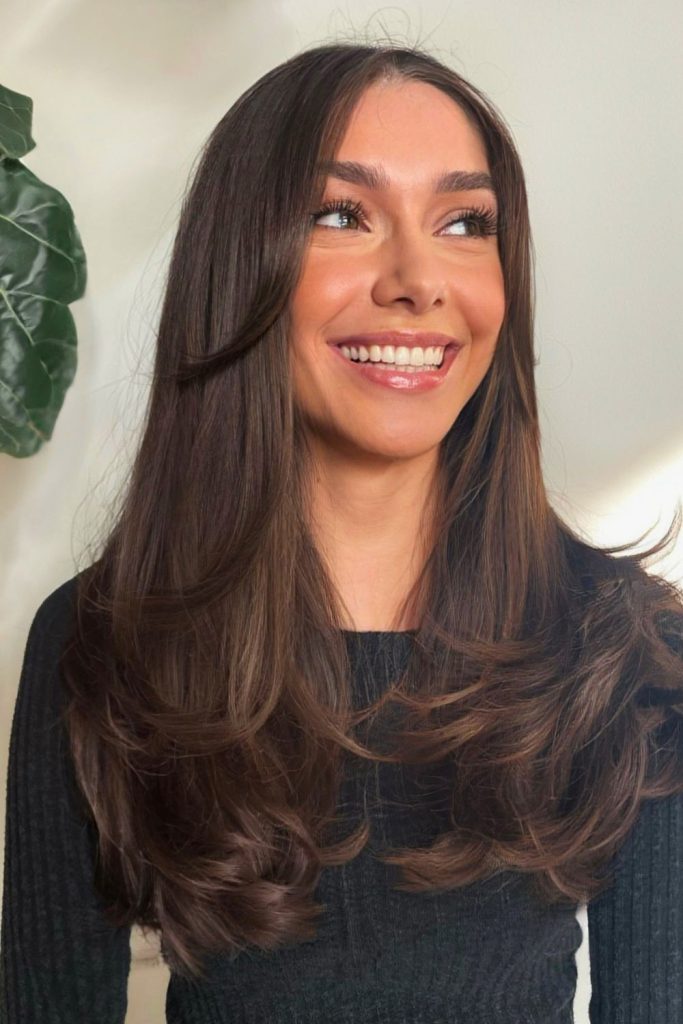
Face-framing pieces add shape where people first notice it. Shorter sections sit around the cheekbones, jaw, and collarbone. The back stays long and full.
You can adjust the placement to suit your preferred result. Layers near the cheekbones create a lively, lifted effect. Pieces that begin near the chin feel softer and more subtle.
A simple bend from a flat iron can make these sections stand out. Turn the front pieces away from your face, then loosen them with your fingers.
- Keep the back layers long for fullness.
- Choose chin-length pieces for an easy transition.
- Add soft waves for extra movement.
- Trim the front regularly to maintain the shape.
3. Medium-Long Layers With Curtain Bangs
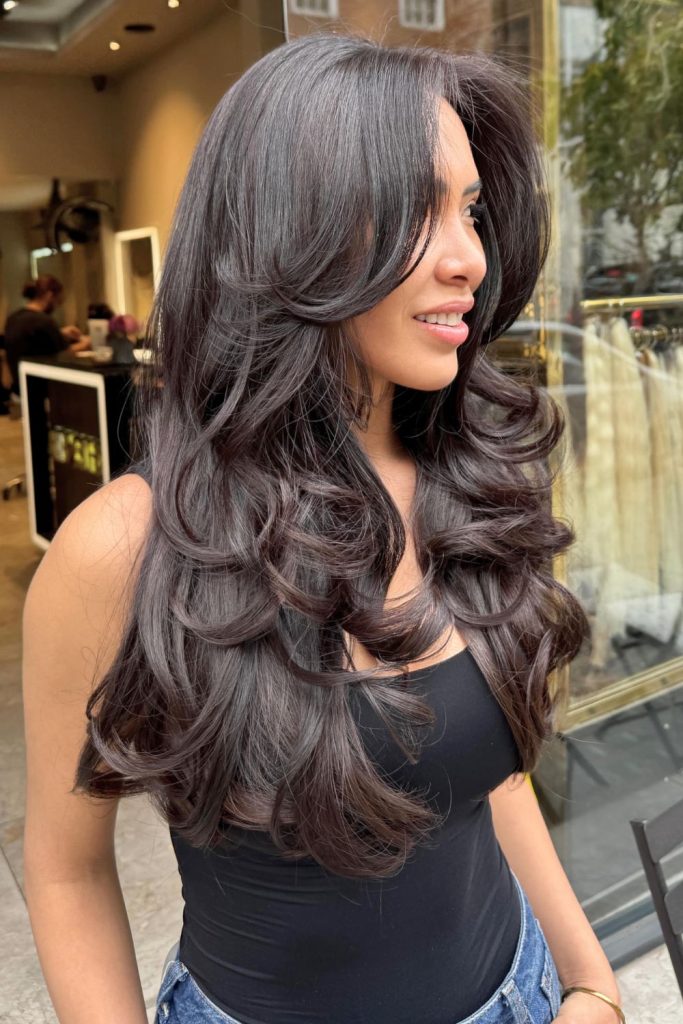
Curtain bangs open around the face like soft drapes. They blend into medium-long layers and give the haircut a balanced, flowing shape.
This combination suits anyone who wants bangs without a heavy, straight-across fringe. The center stays shorter, while the sides gradually become longer. That shape makes the bangs easier to grow out.
Use a small or medium round brush to direct each side away from your face. A hair roller can also create a relaxed bend while you finish getting ready.
Styling shortcut: Dry the bangs forward first. Then split them and sweep each side outward. This method helps stop the fringe from separating too early.
4. Straight Medium Hair With Long Layers
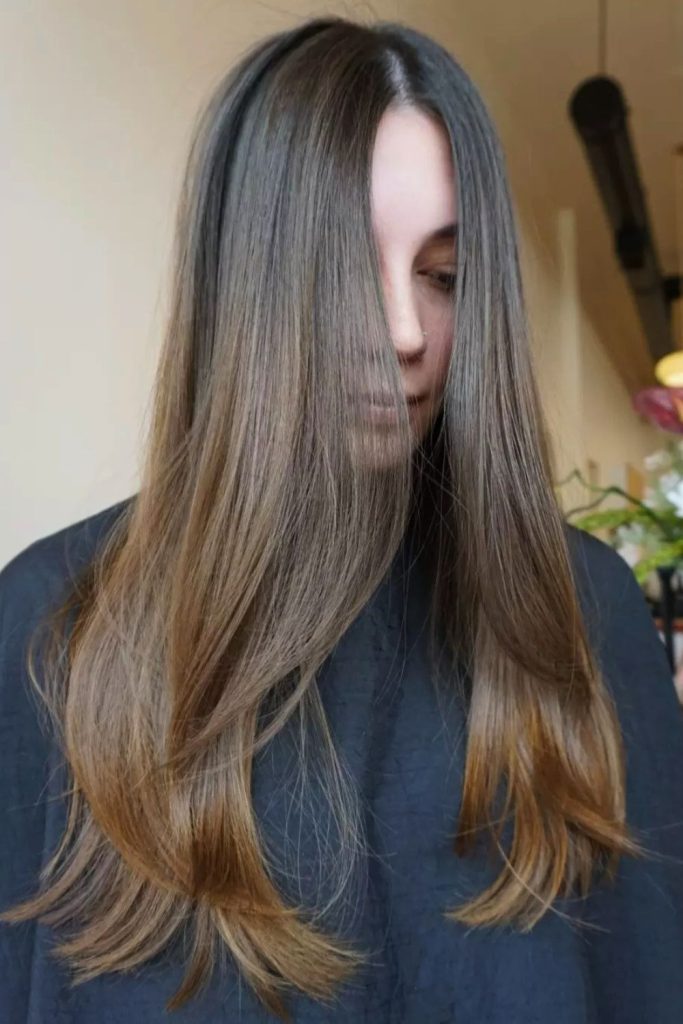
Straight hair shows every line in a haircut. Long, clean layers create movement while maintaining a smooth, polished overall finish.
The stylist may use shallow elevation to prevent the ends from looking thin. This keeps enough weight around the perimeter while adding a gentle flow through the mid-lengths.
A smoothing serum can highlight the shape, but use only a small amount. Too much product may flatten the roots. Finish with a quick pass with a flat iron for a sleek look.
| Detail | Recommended choice |
|---|---|
| Shortest layer | Below the chin |
| Ends | Soft but full |
| Parting | Middle or gentle side part |
| Styling | Smooth blowout or flat iron |
5. Wavy Medium-Long Layered Hair
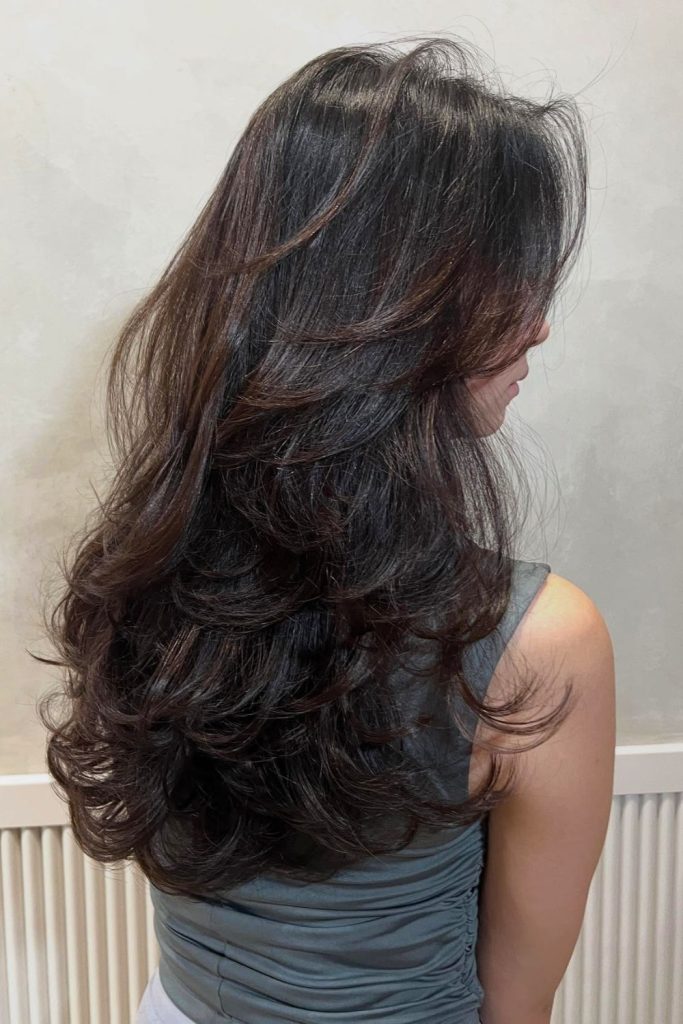
Waves need space to bend and move. Well-placed layers remove excess weight, which helps the wave pattern appear more defined.
The haircut should follow your natural texture. If the layers are too short, thick, or wavy, hair may expand around the crown. Longer layers create a softer outline and keep the ends under control.
Apply a light curl cream or mousse to damp hair. Scrunch upward, then let your hair air-dry or use a diffuser on low heat.
A useful tip: Ask the stylist to assess your hair while it is dry. Your natural wave pattern shows where the layers should fall.
6. Rounded Layers for Medium Hair
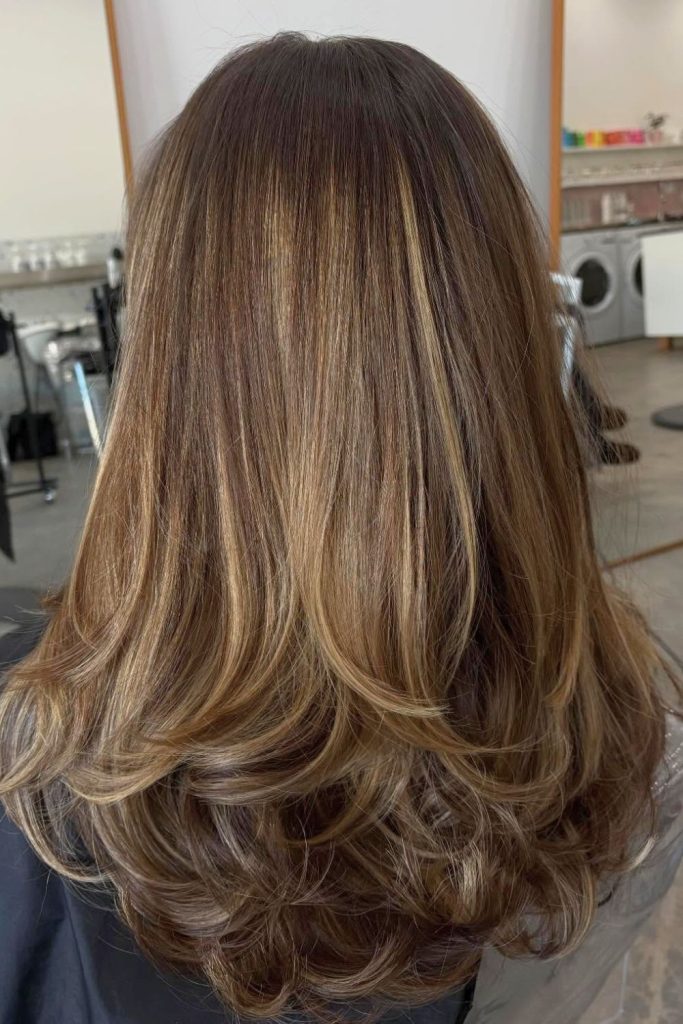
Rounded layers create a smooth, curved outline. The hair looks full through the sides and flows neatly toward the back. Think of it as a soft cascade rather than a sharp V.
This shape pairs beautifully with a polished blowout. The curved sections stack gently, which gives the hair a bouncy finish without creating a bulky crown.
- Use a large round brush.
- Direct the ends inward or away from the face.
- Add root lift at the crown.
- Finish with flexible-hold spray.
Rounded layers suit medium to thick hair because the cut uses natural density to build a full shape. Fine hair can also wear it when the stylist keeps the perimeter strong.
7. Choppy Layers for Medium-Long Hair
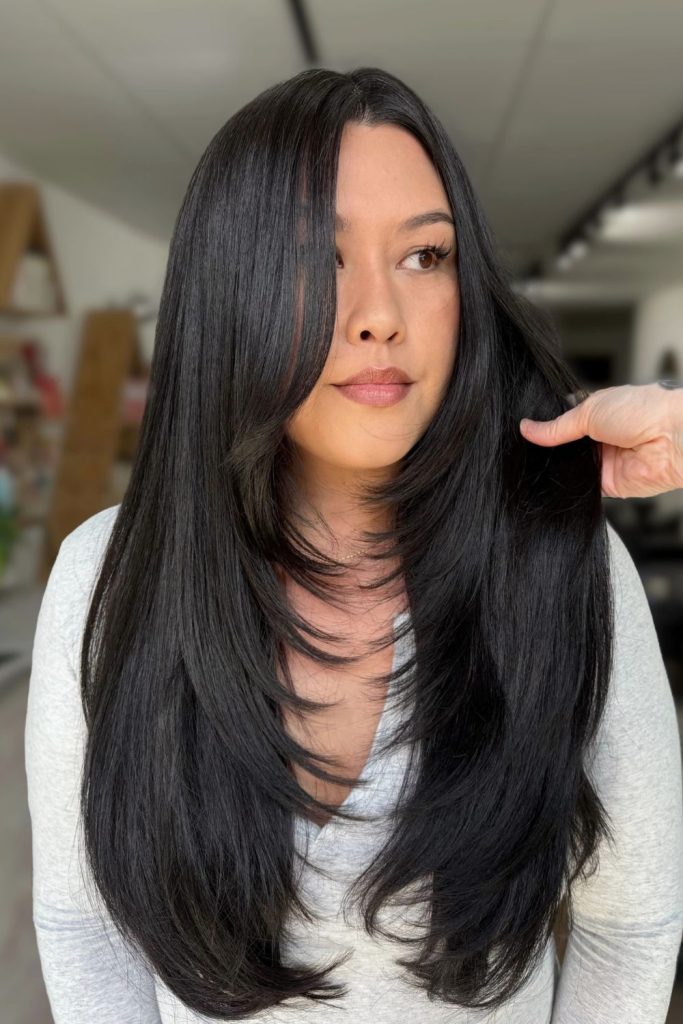
Choppy layers create more separation and texture. Unlike softly blended layers, these pieces remain slightly visible. They give the haircut a playful, lived-in character.
This cut works well for dense hair that tends to feel heavy. Strategic weight removal can speed up styling and give the ends more freedom.
Ask your stylist to keep the choppiness controlled. Too many short layers can make the perimeter look thin. A full baseline helps the haircut stay balanced.
Style it with texturizing spray and loose waves. Alternate the wave direction to create a natural finish rather than a perfectly uniform curl pattern.
8. Medium-Long Butterfly Layers

Butterfly layers combine shorter, airy pieces around the face with longer layers through the back. The two lengths create the look of a shorter haircut while preserving your overall length.
The front sections move like wings when you style them away from your face. This gives the cut its name and its dramatic, photo-ready shape.
Butterfly layers often suit clients with medium to thick hair. The stylist needs enough density to build the shorter sections without weakening the ends.
For the fullest finish, use a round brush or large rollers. Focus on lifting the roots and directing each layer outward.
9. Bouncy Layers With a Blowout
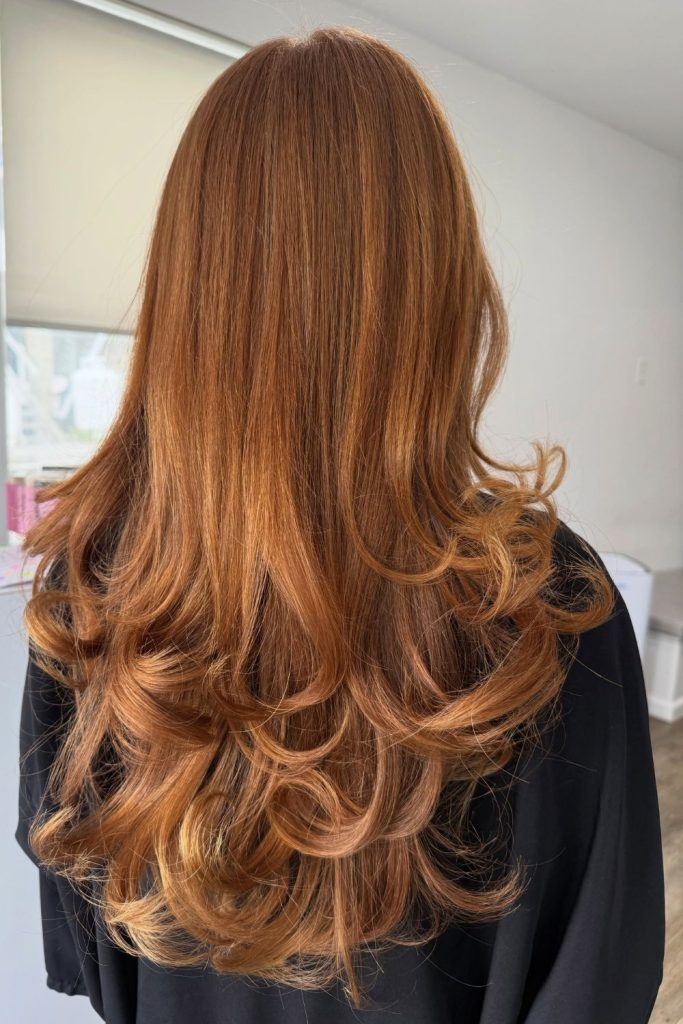
Do you love soft volume and swinging ends? Bouncy layers may become your new favorite. The cut uses rounded sections and face-framing pieces to support a full blowout.
Start with a volumizing mousse on damp roots. Dry the hair in sections with a medium or large round brush. Lift each section upward before rolling the ends.
After drying, place the warm sections in large rollers. Let them cool before removing them. This simple step helps the bounce last longer.
Salon request: Ask for connected layers that support volume without leaving the ends too thin.
10. Feathered Layers With Flipped Ends
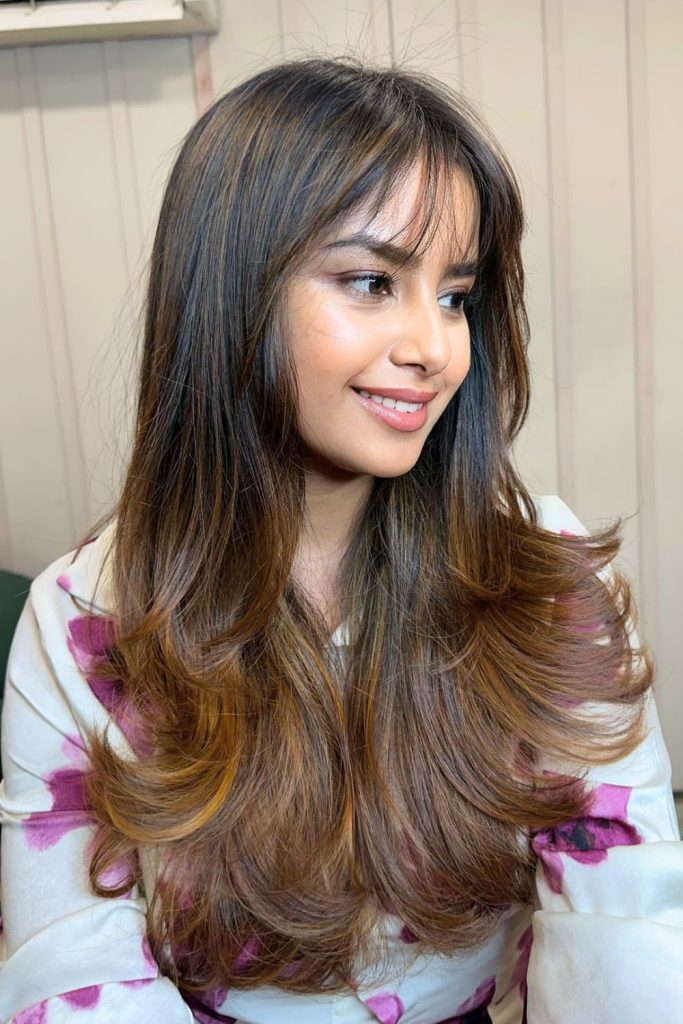
Feathered layers feel light, airy, and slightly retro. The ends move away from the face, creating a soft, fan-like finish.
This cut works well when you want visible layers without a shaggy shape. The sections stay smooth but separate enough to show movement.
Use a round brush to flip the ends outward. You can also use a flat iron. Gently turn your wrist as you reach the last few inches of each section.
A flexible styling spray will hold the shape without making the hair stiff. The result should move easily when you walk.
11. A Medium-Length Modern Shag
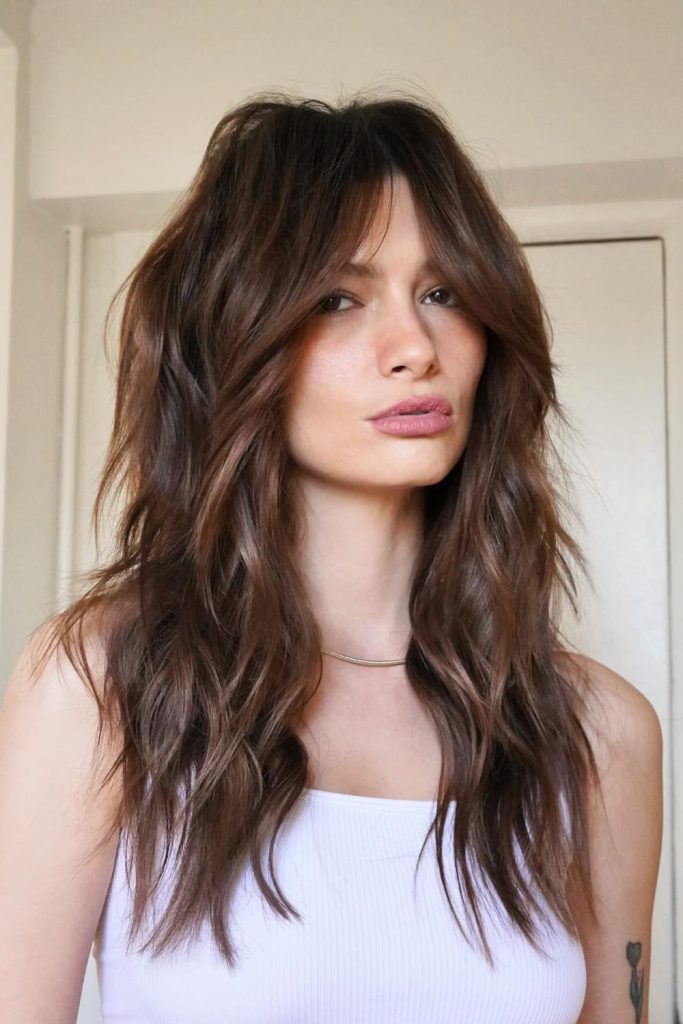
A modern shag blends crown volume, face-framing texture, and soft, broken ends. It feels relaxed but still intentional.
Traditional shags can feature very short top layers. A modern version can keep those sections longer, which makes the cut more wearable and easier to style. You still get texture, but you avoid an overly rounded crown.
This haircut works especially well with natural waves.
- Apply mousse to damp hair.
- Scrunch the mid-lengths and ends.
- Diffuse on low heat.
- Separate dry waves with your fingers.
- Avoid heavy oils near the roots.
12. Soft Hush Layers With Wispy Bangs

Hush layers create quiet movement. They look soft, delicate, and almost weightless. Wispy bangs complete the airy effect without covering the entire forehead.
The layers often begin around the cheekbones or jaw. They then melt into the remaining length. Nothing looks sharp or disconnected.
This style suits straight and lightly wavy textures. Fine hair can wear it too, but the stylist should keep enough weight along the bottom.
Maintenance note: Wispy bangs may need more frequent trims than the longer layers. Ask whether your salon offers quick fringe trims between full appointments.
13. A Medium-Long Layered Wolf Cut
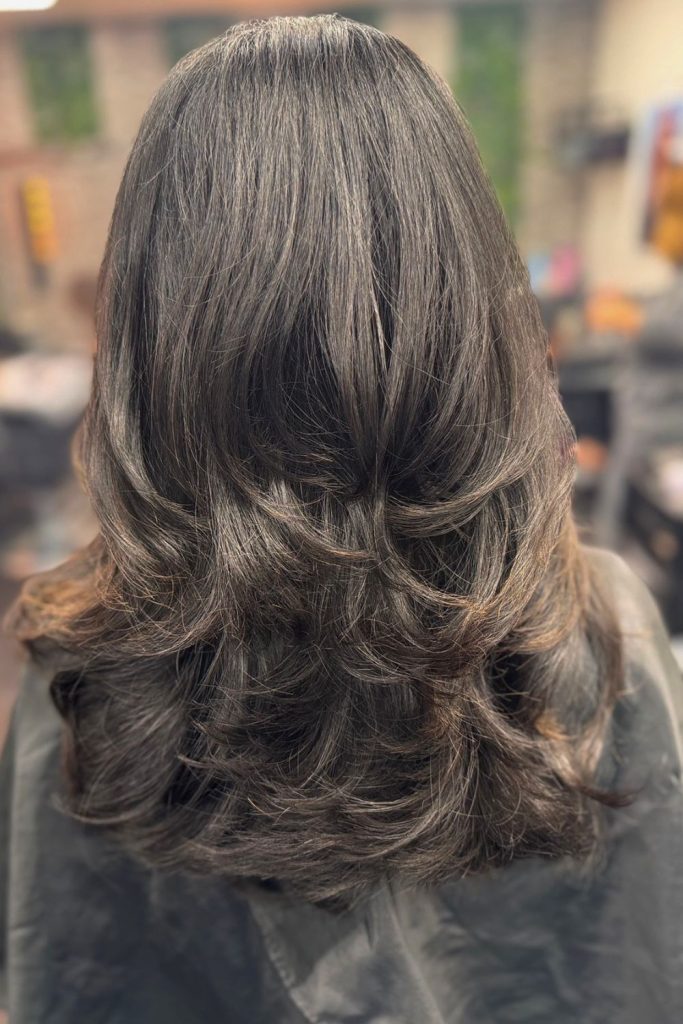
The wolf cut combines the lively crown of a shag with longer, tapered ends. It creates volume on top and movement through the lower sections.
A softer medium-long version feels more versatile than an extreme wolf cut. The stylist can keep the crown layers below the temples and preserve fullness around the shoulders.
This cut suits natural waves because the texture supports its tousled shape. Straight hair can also be worn with a few loose bends.
Choose this cut if you want Noticeable texture, light volume, and a style that doesn’t need to look perfectly polished.
14. U-Shaped Medium Hair With Layers
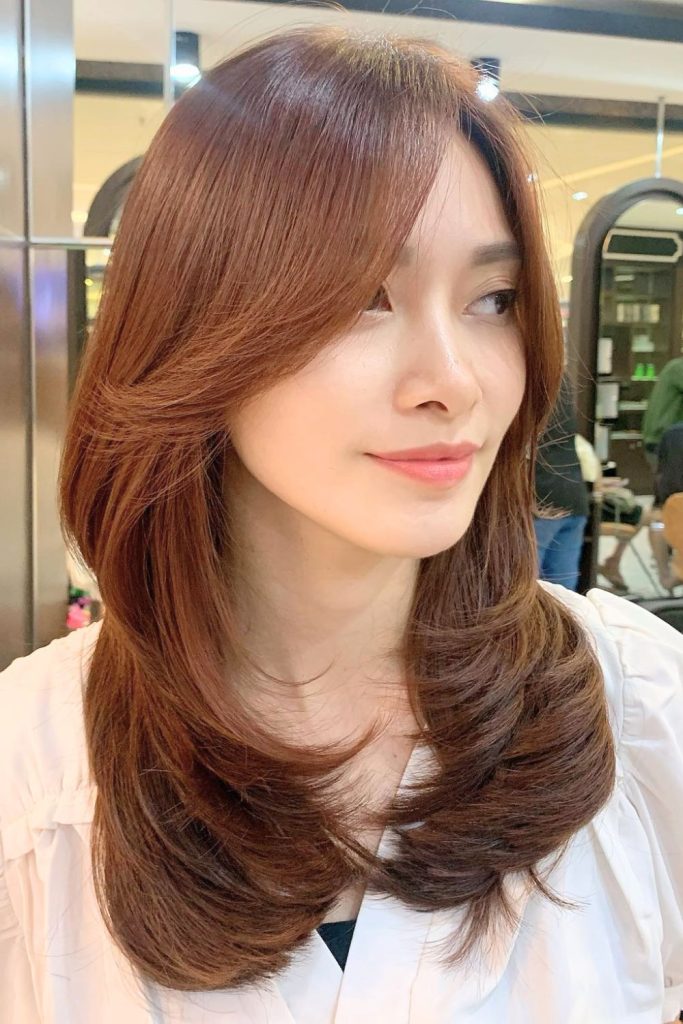
A U-shaped cut looks slightly shorter at the sides and longer through the center back. The curved perimeter creates a full, flowing outline.
Long internal layers enhance the shape without significantly reducing density. From the back, the hair forms a soft waterfall effect. From the front, it still feels light and easy.
| Works well with | Why it helps |
|---|---|
| Thick hair | Creates movement without sharp corners |
| Wavy hair | Supports a soft, flowing pattern |
| Straight hair | Adds shape to the back |
| Full ends | Keeps the perimeter looking healthy |
Add face-framing pieces for more detail around the front.
15. V-Shaped Layers for Thick Hair
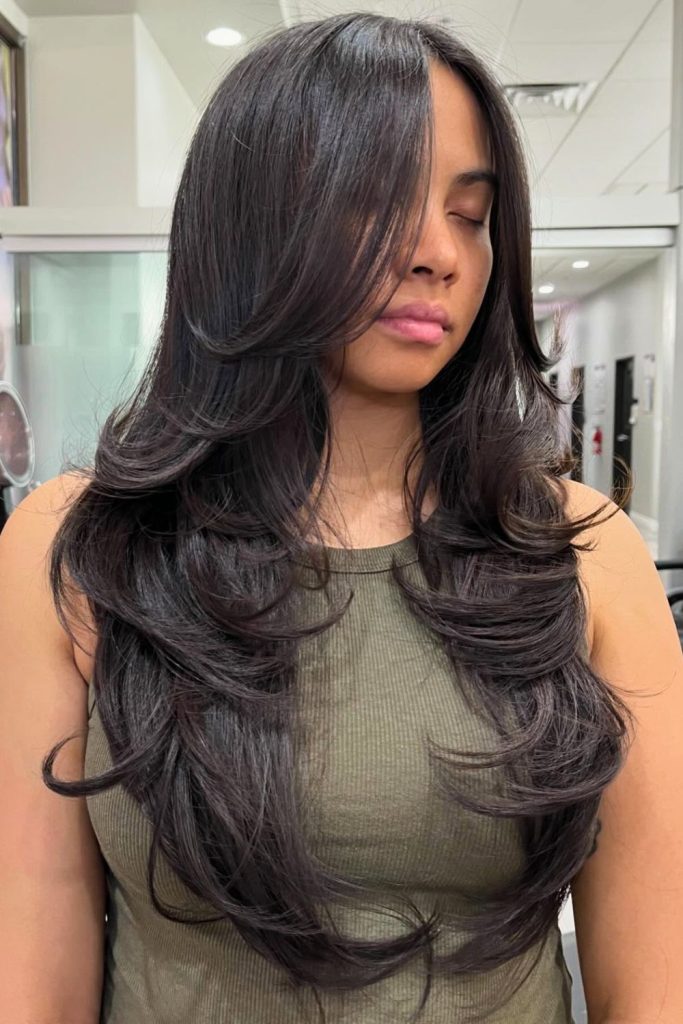
V-shaped layers form a defined point at the center back. This shape creates drama and helps thick hair appear longer.
The cut removes some width from the sides while keeping length through the center. Long layers prevent the dense sections from sitting as a single, heavy block.
Ask for a softer V for an easy, wearable finish. A sharp V creates a stronger statement but may make the sides appear shorter.
Best styling options:
- Smooth, polished blowout.
- Loose waves.
- Half-up hairstyle.
- Long ponytail with face-framing pieces.
Regular trims will keep the pointed outline clean and prevent the longest ends from becoming weak.
16. Subtle Ghost Layers for Fine Hair

Ghost layers sit within the haircut rather than on its surface. They create hidden movement while preserving a solid-looking perimeter.
This technique can work well for fine hair. Traditional layers may remove too much weight, but subtle internal sections can add lift without making the ends look sparse.
The difference may not appear dramatic when your hair rests still. Once you move or add a soft wave, the hidden texture becomes visible.
Ask your stylist whether ghost layers suit your density. The placement should remain light and controlled.
Easy styling idea: Add a few bends through the middle of the hair while leaving the ends straighter.
17. Medium Layers With Long Side Bangs

Long side bangs sweep across the forehead and blend into the first face-framing layer. They create softness without requiring a full fringe.
This haircut works with several partings. A deeper side part creates more drama, while a gentle off-center part feels relaxed. You can also pin the bangs back when you want an open look.
Dry the fringe in the opposite direction first. Then sweep it toward your preferred side. This method builds natural lift and stops the section from sitting too flat.
Keep the side bangs long enough to tuck behind your ear for easier daily styling.
18. Long Layers With a Deep Side Part

A deep side part alters the balance of medium- to long-length hair. One side gains instant lift, while the other side creates a smooth, sweeping line.
Long layers support this shape by adding movement through the heavier side. Face-framing sections can begin near the cheekbone or chin, depending on how much volume you want.
Use a root-lifting spray along the part. Blow-dry the roots in the opposite direction, then flip the hair back. You will get height without heavy teasing.
This style pairs well with polished waves, a sleek finish, or a full evening blowout.
19. Brunette Layers With Face-Framing Highlights
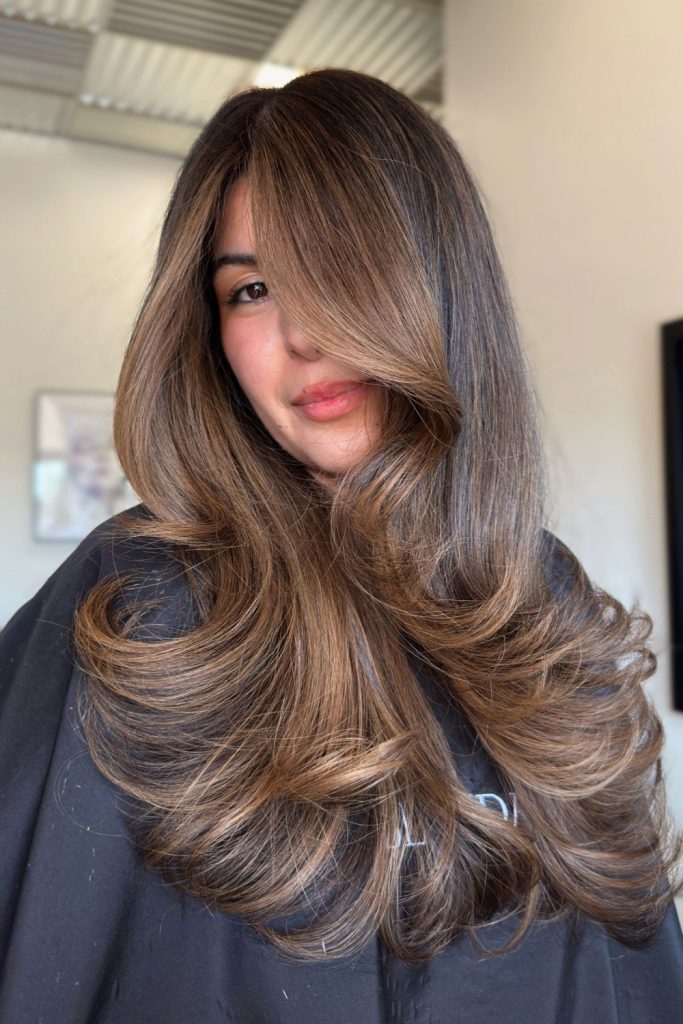
Face-framing highlights draw attention to the shape of your layers. Lighter brunette, caramel, or warm beige pieces can make the front sections appear more defined.
The haircut and color should work as one design. Ask the stylist to place brighter tones where the layers naturally move. This creates a connected result instead of separate blocks of color.
Consider these combinations:
- Chocolate brown with caramel ribbons.
- Dark brunette with soft beige pieces.
- Warm brown with honey-toned ends.
- Neutral brunette with subtle mocha dimension.
Loose waves will display both the color contrast and the layered shape.
20. Blonde Medium Hair With Butterfly Layers
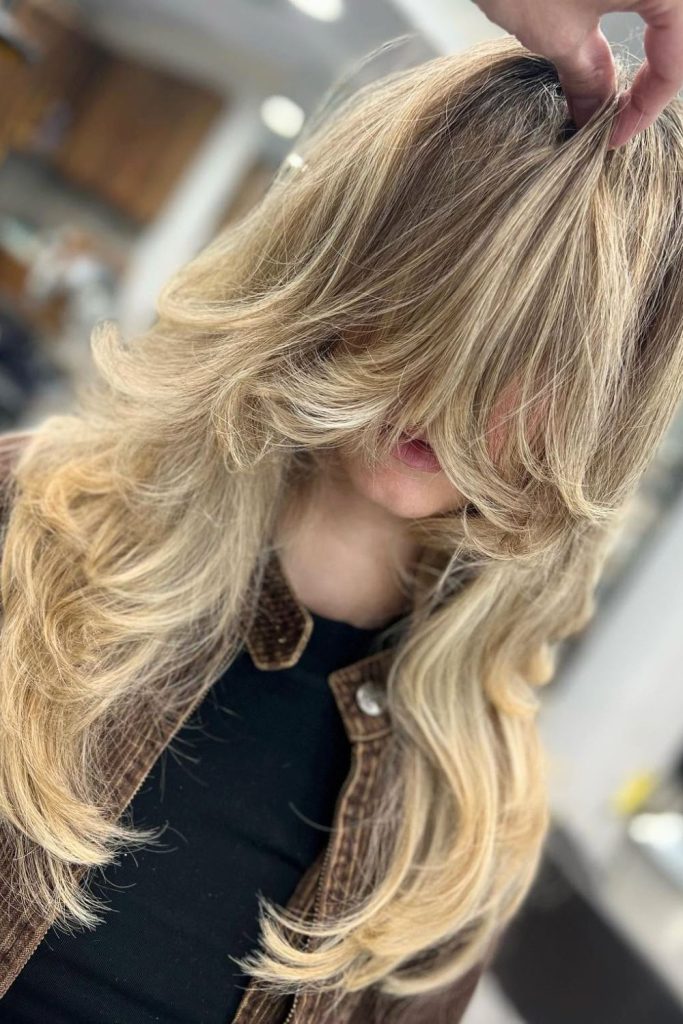
Butterfly layers can give blonde hair a bright, airy finish. The shorter front sections reveal different tones as they move, while the longer back maintains fullness.
This shape works beautifully with blended highlights because every curved layer reflects light. A darker root can add depth and make the lighter pieces stand out.
Style the front sections away from your face. Use a round brush, hot rollers, or a heatless roller set. Keep the ends soft rather than tightly curled.
Important: Ask for a strong perimeter if your hair is fine or lightened. This helps the ends remain full.
Simple Styling Tips for Layered Hair
A good haircut should make styling easier. You do not need to use every product or tool on your shelf. Start with the finish you want, then choose the simplest method.
For a Smooth Finish
Apply heat protectant and a lightweight smoothing product. Work in sections with a round brush. Direct the ends inward for polish or outward for a feathered effect.
For Loose, Natural Waves
Create bends through the mid-lengths with a curling iron or flat iron. Leave the final inch of each section straighter. Alternate the direction of the waves to make the result look relaxed.
For More Volume
Use mousse near the roots and dry your hair upside down for a short time. Finish upright with a round brush. Large rollers can help the crown and face-framing layers hold their shape.
For Air-Dried Texture
Apply a light curl cream or mousse to damp hair. Scrunch gently and avoid touching it while it dries. Once dry, separate any firm sections with clean hands.
Final Thoughts
The right layers can make medium-long hair feel lighter, fuller, and much easier to style. You do not need a dramatic transformation to see a difference. Even a few face-framing sections can give your existing length a fresh direction.
Choose butterfly or rounded layers if you love volume. Try ghost or collarbone layers for a subtle, low-maintenance update. A shag or wolf cut will give you more texture, while curtain bangs and side bangs can reshape the front.
Save two or three favorite looks and compare their shortest layers, overall outline, and styling needs. Then take those references to a trusted stylist. A clear visual plan will help you leave the salon with a cut that suits both your hair and your routine.
FAQs
Medium-long hair usually falls between the collarbone and the upper chest. The exact length can vary based on your height, texture, and natural shrinkage.
They can if the stylist removes too much weight. Long, subtle, or internal layers can create movement while keeping the bottom full. Fine hair often benefits from fewer layers and a stronger perimeter.
Butterfly layers, rounded layers, and ’90s-inspired cuts create strong visual volume. Shorter face-framing pieces and lifted crown sections also support a bouncy blowout.
Collarbone layers, soft, long layers, and ghost layers usually need less daily work. They grow out smoothly and still look good when air-dried.
Yes. Clean, long layers can add movement to straight hair and prevent it from looking flat. A round-brush blowout or a few soft bends will make the layers more visible.
Victoria writes practical haircut guides for HairLushly, focusing on long, medium, and short haircuts. Her content helps readers compare real-life haircut options, understand maintenance levels, and choose styles that fit their hair type, lifestyle, and daily routine.