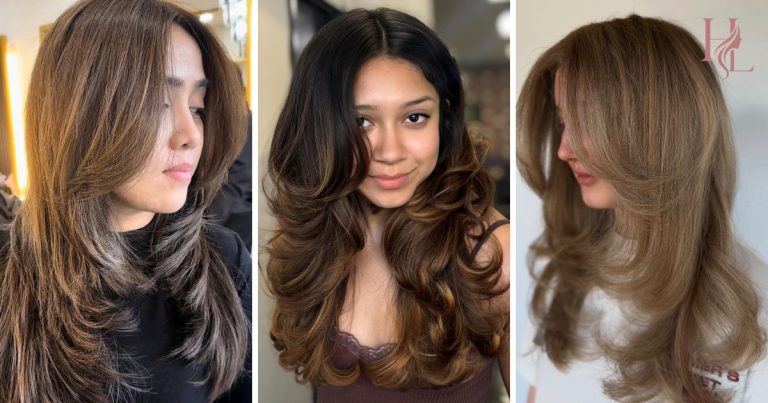
15 Choppy Long Layered Haircuts That Add Shape and Movement

Long hair can look beautiful, but it can also feel heavy, flat, or hard to style. If your ends hang without movement, choppy, long-layered haircuts can give your hair the fresh shape it needs.
Choppy layers remove weight from selected areas while keeping most of your length. The uneven sections create texture, lift, and natural separation. Your hair can look fuller and more playful without requiring a dramatic short cut.
The best part? This haircut works with straight, wavy, thick, and fine hair. You can add soft face-framing pieces, bold bangs, wispy ends, or shaggy texture. You can also keep the finish neat or intentionally tousle it.
Below, you will find 15 long choppy layered haircut ideas for different textures, colors, and personal styles. Save your favorites and show them to your hairstylist during your next appointment.
What Are Choppy Long Layers?
Choppy layers use sections of different lengths to create visible movement. They do not blend as smoothly as traditional long layers. Instead, the ends look separated, textured, and slightly uneven, intentionally so.
A stylist may use scissors, point-cutting, or a razor to achieve the finish. The right method depends on your hair type. Razor cutting can give thick hair a soft, feathered result, while careful scissor cutting may protect fine or fragile ends.
Choppy does not have to mean messy. Your layers can look polished, soft, bold, or relaxed. The final style depends on the placement of the layers and how you wear your hair.
15 Choppy Long Layered Haircuts to Try
1. Classic Choppy Long Layers
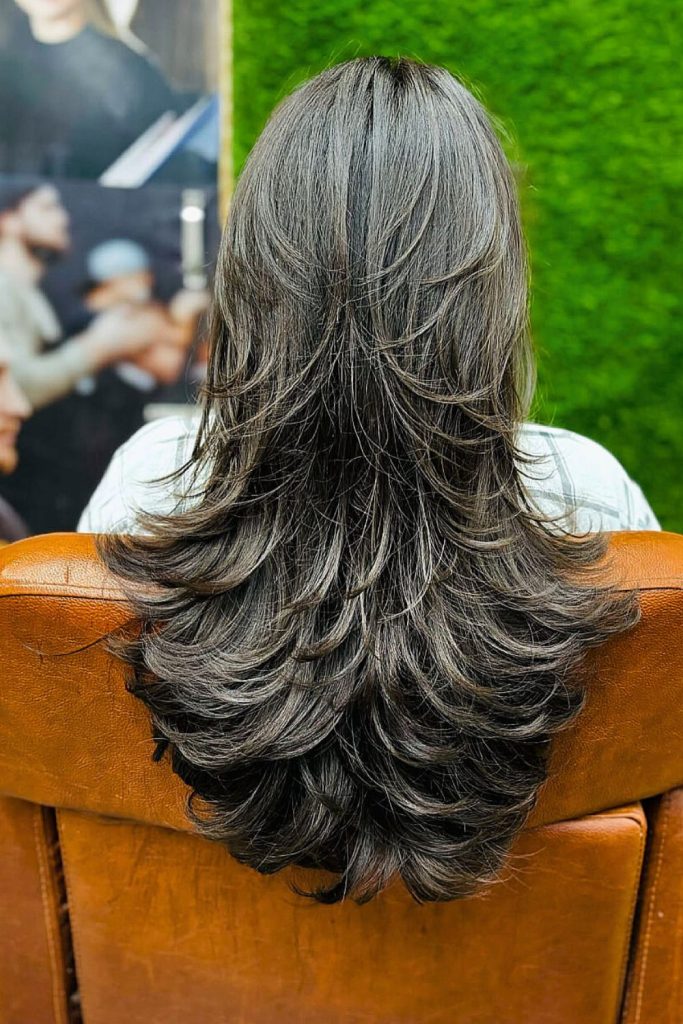
Classic choppy long layers offer a simple starting point if you want a noticeable change without choosing a dramatic haircut. The longest sections stay below the shoulders, while shorter layers fall through the middle and lower lengths.
The uneven ends prevent the hair from appearing as a single solid curtain. They create soft gaps that allow each section to move independently. The result feels casual, fresh, and easy to wear.
This cut works especially well with a center or slightly off-center part. Style it with a round brush for a smooth finish, or add loose bends for a relaxed look.
- Best for: Medium to thick hair
- Style mood: Easy and timeless
- Ask for: Long layers with textured, separated ends
- Maintenance: A trim every 10 to 12 weeks
2. Long Straight Choppy Layers

Straight hair shows every layer clearly. That makes it a great canvas for a long, straight, choppy, layered haircut. The shorter sections create clean steps throughout, while point-cut ends prevent the shape from looking too blunt.
You can keep the upper layers long for a subtle effect. For a stronger texture, ask your stylist to begin the layers near your collarbone. This placement gives the hair movement while keeping the overall silhouette long.
Use a lightweight smoothing serum on the ends. Heavy cream may pull the layers down, obscuring their definition.
| Feature | Best Choice |
|---|---|
| Parting | Center or soft side part |
| Finish | Sleek with separated ends |
| Layer placement | Collarbone and below |
| Styling tool | Paddle brush or flat iron |
3. Long Choppy Layers for Wavy Hair

Natural waves and choppy layers work like a perfect pair. The layers reduce weight, allowing the waves to lift and form more easily. They also prevent long, wavy hair from forming a wide triangle at the ends.
Ask for layers that follow your natural wave pattern. Random short pieces may create unwanted puffiness, so the placement matters. A stylist who understands wavy hair can shape each section without removing too much density.
After washing, apply a light mousse or wave cream. Scrunch the hair upward and let it air-dry, or use a diffuser on a low setting.
Quick styling routine:
- Apply product to damp hair.
- Scrunch from the ends upward.
- Dry without brushing the waves.
- Separate the finished layers with your fingers.
- Use a small amount of oil on dry ends.
4. Thick Hair Choppy Layers

Thick, long hair can feel warm, heavy, and difficult to control. Choppy layers remove hidden weight and break up the dense outline. This allows the hair to swing rather than sit as a single block.
The strongest layers can begin around the shoulders. Your stylist can then add shorter internal sections to reduce bulk without making the ends look thin.
Be careful with excessive thinning. Removing too much hair near the roots can create short pieces that stick out. Ask for controlled weight removal through the middle and ends instead.
- Shape: Long with a lighter perimeter
- Main benefit: Less bulk and faster styling
- Good finish: Blowout, soft waves, or a high ponytail
- Avoid: Too many short layers near the crown
5. Fine Hair Choppy Layers

Fine hair can wear choppy layers, but the cut needs a thoughtful plan. Too many layers can make the ends look sparse. Fewer sections will give you movement while protecting the appearance of density.
Keep the base slightly blunt. Then add light, choppy pieces around the face and through the top surface. These details create texture without taking too much hair away from the bottom.
A root-lifting spray can add height, while a dry texture spray can make the separated ends more visible. Apply both products lightly. Fine hair often responds better to a small amount of product.
The goal is airy movement, not heavy thinning.
6. Short Choppy Layers on Long Hair

Do you want a bigger change while keeping your long ends? Add short choppy layers through the crown and upper lengths. The contrast between the short top pieces and the long base creates strong movement.
These layers can lift flat roots and give your hair a lively shape. They also work well for people who enjoy shaggy blowouts, loose waves, and textured ponytails.
This option needs more daily styling than subtle long layers. Shorter sections may bend in different directions after sleep. A round brush or heated styling brush can help you reset them.
| Consideration | What to Expect |
|---|---|
| Volume | High around the crown |
| Texture | Bold and visible |
| Styling time | Moderate |
| Grow-out | Needs occasional reshaping |
7. Super Choppy Long Hair
A super choppy haircut makes the uneven texture the main feature. It uses bold separation, visible length changes, and heavily textured ends. The finished look feels energetic rather than perfectly blended.
This style suits medium or thick hair because those textures can support many layers. The shorter pieces may begin near the cheeks, with additional layers falling around the shoulders and chest.
Add loose, alternating waves to show every section. Keep the ends straighter than the middle to create a modern, pieced finish.
- Use a texturizing spray instead of a heavy hairspray.
- Change the direction of each wave.
- Leave the final inch at each end uncurled.
- Gently loosen the waves with your fingers.
8. Choppy Face-Framing Layers

Choppy face-framing layers bring attention to the front of the haircut. Shorter pieces can begin near the cheekbones, jaw, or chin before connecting to the longer sections.
Cheekbone-length pieces create a bold frame. Chin-length layers feel softer and are often easier to tuck behind the ears. Collarbone pieces offer the most subtle option.
These front layers can refresh your haircut even if you do not want heavy layering in the back. They also add interest to ponytails, buns, and half-up styles because a few textured pieces can stay loose around the face.
Bring a reference photo to your appointment. A clear image helps your stylist understand exactly where you want the shortest section to fall.
9. Choppy Layers With Bangs

Bangs can turn basic long layers into a full hairstyle. A choppy fringe uses subtle length variations to create a light, broken edge. It looks less formal than a thick, straight-across fringe.
The bangs may sit near the brows while the side sections blend into cheek-length layers. This transition connects the front and back of the haircut.
Choppy bangs work with straight, wavy, and lightly curly textures. However, they need regular trims because even a small amount of growth can change the shape.
- Brow-length bangs: Bold and defined
- Long side pieces: Soft and easy to grow
- Textured edge: Light and relaxed
- Best pairing: Long layers with movement near the front
10. Choppy Curtain Bangs

Choppy curtain bangs part near the center and sweep toward each side. Unlike smooth curtain bangs, this version has uneven ends and more visible separation.
The shortest point usually falls near the brows or upper cheekbones. The outer pieces become longer and connect with the face-framing layers. This creates a flowing shape that looks attractive with both straight hair and waves.
Use a small round brush to direct each side away from your face. You can also place the damp bangs in a roller while you finish getting ready. Once dry, separate the ends with your fingers.
Choppy curtain bangs give long hair a fresh focal point without covering your whole forehead.
11. Choppy Wispy Bangs

Wispy bangs offer a lighter alternative to a full fringe. Small sections fall across the forehead, while tiny spaces between them keep the look soft and airy.
When paired with long, choppy layers, wispy bangs create balance. The light front section matches the movement through the lengths without making the haircut feel too heavy.
This style can work well on fine or medium hair. If your hair is very thick, your stylist may need to remove some weight from the fringe area.
| Styling Need | Simple Method |
|---|---|
| Flat bangs | Add a small amount of root spray |
| Bent sections | Smooth with a mini flat iron |
| Oily fringe | Apply dry shampoo at the roots |
| Piecey texture | Separate with a tiny amount of wax |
12. Long Choppy Shaggy Bob

A long choppy shaggy bob, also called a shaggy lob, usually falls between the shoulders and collarbone. It gives you the shape of a shorter haircut while leaving enough length for a small ponytail.
The cut uses an uneven outline, crown layers, and textured ends. These features create a relaxed style that does not need perfect placement. A little natural bend makes it look even better.
This option works well when your current long hair feels damaged or difficult to manage. It removes a good amount of length but still offers styling freedom.
- Add soft bends for an undone finish.
- Flip the ends in different directions.
- Use dry texture spray near the middle.
- Keep the roots light and touchable.
13. Shaggy Choppy Long Layers

Shaggy choppy long layers mix crown volume with thin, separated ends. The haircut includes many visible sections, but the longest hair remains below the shoulders.
This shape has a carefree feel. It suits natural waves because each layer can twist and bend freely. Straight hair can also be worn with a textured blowout.
Ask your stylist to keep enough density near the bottom. A shag can become too thin when the stylist removes too much weight from each section.
Choose this haircut if you like movement, volume, and an intentionally relaxed finish. It looks especially good with a center part and soft pieces around the face.
14. Choppy Long Wolf Cut

The long wolf cut combines the crown lift of a shag with the length changes of a mullet-inspired shape. Short, choppy layers sit around the top and sides, while the back remains long.
This contrast creates a bold silhouette. It can also help thick hair feel lighter because much of the weight moves away from the upper lengths.
A wolf cut does not need to look extreme. Your stylist can create a softer version by keeping the crown sections longer and blending them gently into the base.
Best features of a softer wolf cut:
- Rounded volume near the crown
- Cheek-length face-framing pieces
- Long, textured back sections
- Light and separated ends
- Natural movement without a sharp disconnect
15. 90s Choppy Haircut

The 90s choppy haircut brings back bouncy layers, face-framing sections, and a full blowout. The pieces look more separated than classic rounded layers, which keeps the style from feeling dated.
The shortest front sections often begin near the chin. Longer layers then flow around the shoulders and chest. When styled, the ends can flip away from the face for a wide, airy shape.
Use a large round brush or large rollers to create the finish. Lift each section at the root and guide the ends outward.
| Detail | ’90s-Inspired Choice |
|---|---|
| Volume | Full and rounded |
| Front pieces | Chin length |
| Ends | Soft outward flip |
| Part | Center or deep side |
| Finish | Smooth but bouncy |
How to Choose the Right Choppy Layers
The best haircut should work with your natural texture, usual styling routine, and desired level of maintenance. A photo can inspire, but your stylist may need to adjust the style to suit your hair.
Use this simple guide before your appointment:
| Hair Type | Recommended Approach | Be Careful With |
|---|---|---|
| Fine hair | Fewer long layers and a fuller base | Excessive thinning |
| Thick hair | Internal weight removal and visible layers | Short, bulky crown pieces |
| Straight hair | Clean choppy sections and textured ends | Uneven placement |
| Wavy hair | Layers that follow the wave pattern | Removing too much density |
| Curly hair | Curl-by-curl shaping and balanced length | Cutting without checking shrinkage |
Think about your daily routine too. Strong crown layers may need regular styling. Long face-framing pieces and textured ends usually need less work.
What to Ask Your Hairstylist
Words such as “choppy,” “shaggy,” and “textured” can mean different things to different people. Clear communication will help you get the result you want.
Bring two or three reference images and explain which details you like. Point out the shortest layer, the overall length, and the amount of volume you want.
You can say:
- “I want to keep the main length below my chest.”
- “Please add visible movement without thinning the bottom too much.”
- “I want the shortest face-framing piece near my chin.”
- “I prefer separated ends instead of fully blended layers.”
- “I want crown volume, but I still need an easy grow-out.”
- “Please show me how much you plan to remove before cutting.”
Also, tell your stylist how often you use heat tools and how long you spend styling your hair. This information helps them create a practical shape.
Final Thoughts
Choppy long-layered haircuts give long hair shape without taking away its personality. You can choose soft face-framing pieces, dramatic crown layers, textured bangs, or barely uneven ends.
Start with your natural hair type. Fine hair often benefits from fewer layers and a strong base. Thick hair can handle more weight removal. Waves look beautiful with sections that support their natural bend.
Which idea caught your attention? Save two or three favorites, compare their shortest layers, and bring the images to your hairstylist. A small change in placement can create a completely different result, so choose the details that fit your real routine.
Frequently Asked Questions
Are choppy layers good for long hair?
Yes. Choppy layers add movement, texture, and shape to long hair. They can also remove excess weight and help the hair hold waves or volume.
Do choppy layers make hair look thinner?
They can if a stylist removes too much density. Fine hair usually looks fuller with fewer layers and a slightly blunt base. Thick hair can support more visible sections.
What is the difference between choppy and regular layers?
Regular layers often blend into one smooth shape. Choppy layers have more visible separation and uneven texture. They create a piecey, relaxed finish.
Do choppy long layers require daily styling?
Not always. Long, subtle layers can air-dry well. Short crown layers, bangs, and bold shaggy sections may need extra styling to sit correctly.
Can straight hair wear choppy layers?
Yes. Straight hair shows the cut clearly and can make the textured ends stand out. Ask for careful placement because every section will be visible.
Victoria writes practical haircut guides for HairLushly, focusing on long, medium, and short haircuts. Her content helps readers compare real-life haircut options, understand maintenance levels, and choose styles that fit their hair type, lifestyle, and daily routine.